Heating Options for Different-Sized Houses in Sweden Choosing the right heating system for your...
Introduction:
Selecting the right heating solution for your home is more than just a one-size-fits-all decision. The construction of your house plays a vital role in determining the most suitable and efficient heating system. Different house construction methods and materials can significantly impact the performance of various heating solutions available in the market. This comprehensive guide will explore the differences in house construction and their implications for different heating solutions, helping homeowners make informed decisions to achieve optimal comfort and energy efficiency.
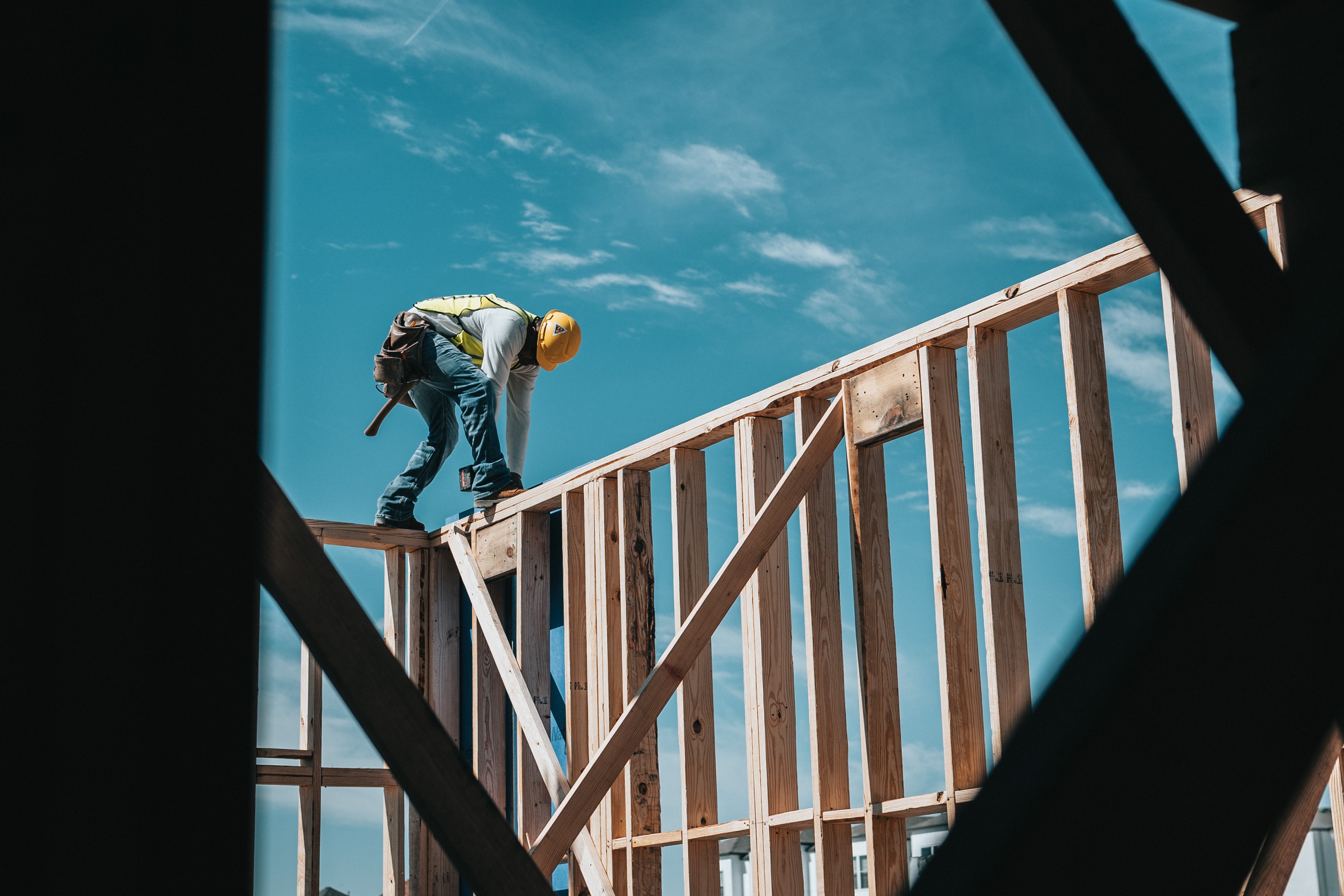
Traditional vs. Modern Construction:
Traditional houses with natural materials like wood and stone boast excellent insulation properties, making them well-suited for conventional heating methods like wood stoves or fireplace inserts. The warmth of radiant heat in traditional houses creates a cosy ambience during cold weather. On the other hand, modern homes often use lightweight materials like concrete, steel, and synthetic insulation, which may require different heating systems to achieve optimal comfort.
Insulation and Heating Efficiency:
The level of insulation in a house significantly impacts its heating requirements. Well-insulated houses retain heat better, reducing the load on heating systems. Modern homes typically have higher insulation levels and benefit from energy-efficient heating solutions like heat pumps or radiant floor heating. Upgrading older or poorly insulated houses to modern heating solutions can yield substantial energy savings and improved comfort. Heat pumps, for instance, are an excellent choice for retrofitting older homes, as they provide heating and cooling capabilities.
Heating Distribution and Ductwork:
Efficient heating distribution is essential for maintaining a comfortable environment throughout the house. The layout and design play a critical role in heat distribution for dwellings with central heating systems, such as furnaces or heat pumps. Homes with open floor plans and well-designed ductwork can ensure even heat distribution, maximising the heating system's efficiency. Zoning the heating system can benefit houses with multiple levels or complex layouts. Zoning allows homeowners to control heating in different areas independently, optimising energy consumption and comfort.
Ventilation and Heat Recovery:
Proper ventilation is crucial for maintaining indoor air quality and ensuring efficient heating. Houses with mechanical exhaust ventilation systems can benefit from heat recovery ventilation (HRV) or energy recovery ventilation (ERV) systems. HRV and ERV systems recover heat from the outgoing air and transfer it to the incoming fresh air, reducing the energy required for heating. Newer construction houses are likelier to have ventilation systems, making them suitable candidates for heat recovery solutions. Retrofitting older homes with ventilation systems and heat recovery can enhance overall heating efficiency.
Renewable Energy Integration:
Renewable energy integration is a viable option for environmentally-conscious homeowners looking to reduce their carbon footprint and energy costs. Houses with large south-facing roofs are ideal for installing solar panels to generate electricity. Solar panels can power heat pumps or electric radiant heating systems, providing sustainable and efficient heating solutions.
Conclusion:
Understanding how house construction influences heating solutions is vital for making informed decisions that enhance comfort, energy efficiency, and sustainability. Traditional houses with excellent insulation can benefit from wood stoves or fireplace inserts for radiant heat. In contrast, modern houses with higher insulation levels are well-suited for energy-efficient heating solutions like heat pumps or radiant floor heating. Upgrading older homes with modern heating systems and ventilation solutions can yield substantial energy savings and improved comfort. Integrating renewable energy sources like solar panels can enhance energy efficiency and reduce carbon emissions. Remember to consult with Geofy.co to find the best heating solution tailored to your house construction needs.